

What Is a Food-Grade Water Tank and Why Does It Matter for Safe Water Storage?
Posted on: Feb 25, 2026
Summary: What This Blog Covers
A food-grade water tank stores drinking water safely. It uses safe, non-toxic material. It keeps water clean during storage. In this blog, you will learn what a food-grade water tank is, why it matters, and how to choose the right safe water storage tank for your home or project.
Clean Water Needs Safe Storage
Clean water is important. But storage is just as important. You may install a purifier. However, water can still get contaminated inside the tank. That is why choosing the right water storage tank matters.
A food-grade water tank protects water from harmful chemicals. It also keeps the taste and smell fresh. As a result, your family gets safe drinking water every day.
Many people ignore storage quality. Because of this, clean water turns unsafe. So, safe water storage should never be overlooked.
What Is a Food-Grade Water Tank?
A food-grade water tank is a water storage tank made from certified, non-toxic material that safely stores drinking water without releasing harmful substances. Manufacturers use virgin plastic to make these tanks. They do not use recycled material. In addition, they add UV protection. This helps prevent algae growth. Most tanks also have multiple layers. These layers block sunlight and heat. Therefore, the water stays clean for longer.
Why Food-Grade Storage Is Essential for Your Health
1. Eliminating Chemical Leaching
In tropical climates, rooftop temperatures can exceed 45°C. Lower-grade plastics react to this heat by breaking down. This chemical breakdown releases microplastics and toxins into your drinking water. A certified drinking water tank is engineered to remain chemically inert at high temperatures.
2. Preventing Bacterial Growth
The smooth inner surface of a hygienic tank is designed to prevent "biofilm" from sticking to the walls. Biofilm is a thin layer of bacteria that can thrive in the pores of cheap, recycled plastic. Because food-grade tanks use high-density, smooth-finish materials, bacteria find it much harder to colonize the surface.
3. Maintaining Water Palatability
Have you ever noticed your water tastes "metallic" or "plasticky" after a hot day? This is a sign of poor storage. Food-grade materials are odorless and tasteless, ensuring that the water you drink tastes exactly as it should.
Food-Grade vs Regular Water Storage Tank
Not every tank is safe for drinking water.
If you store water for cleaning, a normal tank may work. But for drinking, choose a certified option.
Key Features to Check
When buying a hygienic water tank, look for:
- Virgin raw material
- Multi-layer design
- UV protection
- Strong lid
- Leak-proof body
- Smooth inner surface
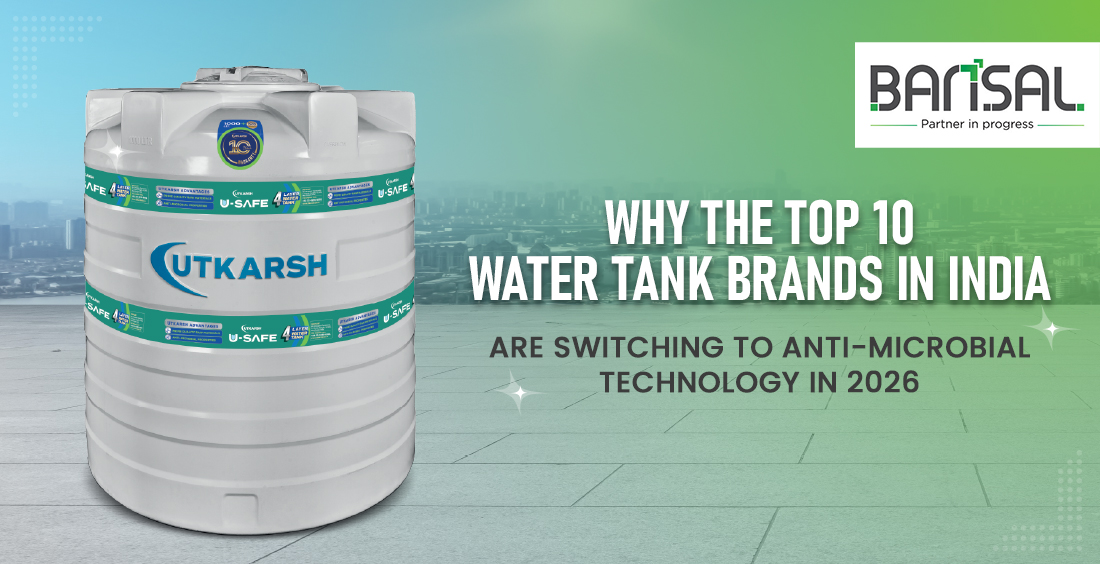
For example, Bansal Poles Water Tanks use high-quality virgin material. Their multi-layer structure blocks sunlight. Because of this, the stored water remains safe. These tanks also handle Indian weather conditions well.
Where Are These Tanks Used?
While we recommend food-grade tanks for all uses, they are absolutely non-negotiable in the following sectors:
- Residential Homes: For all drinking and cooking water needs.
- Hospitals and Clinics: Where sterile conditions and pure water are required for patient care.
- Schools and Hostels: To protect the developing immune systems of children.
- Food & Beverage Industry: Any factory dealing with food processing must use certified hygienic water tanks to comply with FSSAI or international food safety standards.
How to Choose the Right Size
Capacity depends on daily usage.
- Small homes: 500–1000 liters
- Medium homes: 1000–2000 liters
- Commercial use: Larger tanks
First, calculate the daily need. Then, select the right size.
Benefits of Safe Water Storage
A quality tank may cost more at first. However, it saves money later.
- Protects health
- Reduces contamination
- Lasts longer
- Needs less repair
- Keeps water fresh
Therefore, it is a smart long-term investment.
Problems with Low-Quality Tanks
Cheap tanks may cause:
- Bad smell
- Water discoloration
- Cracks
- Algae growth
As a result, water becomes unsafe. So, avoid low-grade plastic tanks.
Maintenance Tips
Even a good tank needs cleaning.
- Clean every six months
- Keep lid closed
- Check for cracks
- Avoid direct contamination
Simple care increases tank life.
Why Choose a Certified Tank?
- Safe for drinking water
- Non-toxic material
- Maintains taste
- Prevents contamination
- Durable design
Why Choose Bansal Poles Water Tanks?
When it comes to safe water storage, quality matters. Bansal Poles Water Tanks are manufactured using high-quality virgin raw material with a strong multi-layer design that enhances durability and hygiene. The tanks are built to withstand harsh Indian weather conditions, including extreme heat and heavy rainfall. Their leak-proof construction, UV protection, and smooth inner surface help maintain water purity for long periods. With a focus on strength, safety, and long service life, Bansal Poles offers a reliable solution for both residential and commercial water storage needs.
Conclusion: Safe Water Starts with Safe Storage
Frequently Asked Questions
It must use certified, non-toxic virgin material.
At least twice a year.
No. Only tanks made from certified safe material are suitable.
Yes. UV protection and multi-layer design reduce algae growth.
With proper care, it can last over 10 years.

Comments (0)
Post Your Comment