

What Makes a Good PEB Structure Manufacturer? Key Qualities to Look For
Posted on: Jul 14, 2025
In today’s industrial and commercial construction landscape, pre-engineered buildings (PEBs) are gaining massive popularity for their speed, flexibility, and cost-efficiency. But the success of any PEB project heavily depends on choosing the right PEB structure manufacturer.
With many options available in the market, it can be challenging to identify a truly reliable partner. In this blog, we’ll explore the essential qualities you should look for in a PEB structure manufacturer, and how to ensure you’re working with the right pre engineered building suppliers for your project.
Why Choosing the Right Manufacturer Matters
A well-built PEB structure is more than just steel and bolts—it’s the result of expert design, precise engineering, and quality-controlled manufacturing. Poor execution can lead to costly delays, structural failures, and long-term maintenance issues.
That’s why working with a professional and experienced PEB company is crucial to ensure long-lasting performance, safety, and value for money.
Understanding the Different Types of PEB Structures
Before partnering with a manufacturer, it is essential to understand the layout and configuration that best fits your industrial or commercial needs. Depending on the clear span, height, and structural load requirements, there are several distinct types of peb structures utilized across modern industries:
- Clear Span Structures: Ideal for spaces requiring vast, uninterrupted floor areas without internal column support, such as large logistics warehouses, aircraft hangars, and indoor sports arenas.
- Multi-Span Rigid Frames: These structures incorporate internal columns to support massive widths. They are highly economical for ultra-wide manufacturing plants and heavy industrial facilities where internal pillars do not obstruct operations.
- Lean-To Structures: Designed to share a wall and rely on an adjacent existing building, lean-to frames are perfect for cost-effective facility expansions, additional office space, or utility storage.
- Multi-Story PEBs: Engineered for urban spaces or multi-tier production lines, these structures utilize high-strength structural steel mezzanine systems to maximize vertical space efficiently.
How do software tools like 3D modeling improve the accuracy of a PEB project?
Advanced 3D modeling and structural analysis software allow engineers to accurately calculate dead loads, live loads, and wind parameters down to the millimeter. This ensures zero friction during on-site bolting, drastically reduces installation errors, and speeds up the overall delivery of any modern PEB.
Core PEB Structure Components Explained
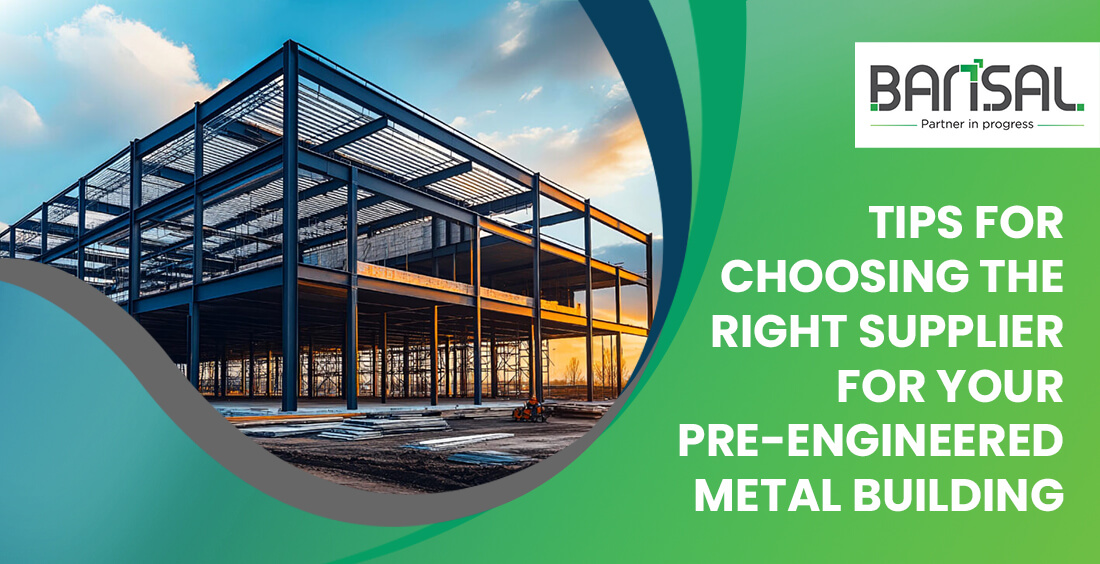
A high-performance pre-engineered building is a precise assembly of interconnected elements. To effectively evaluate a manufacturer's material standards, project managers should be familiar with the fundamental peb structure components that ensure the building’s stability and durability:
- Primary Framing Members: The backbone of the structure, consisting of built-up 'I' sections, columns, and rafters. These heavy steel components transfer the main structural loads safely to the foundation.
- Secondary Structural Elements: These include cold-formed Z and C purlins, girts, and eave struts. They act as lateral supports, tying the primary frame together and providing a secure framework for wall and roof cladding attachment.
- Roof and Wall Cladding Panels: High-grade, weather-resistant galvanized or Galvalume sheets that shield the interior from environmental factors. These can be insulated (sandwich panels) for climate-controlled environments.
- Accessories and Functional Add-ons: Critical components such as anchor bolts, high-strength fasteners, sag rods, turbo ventilators, crane brackets, and translucent sheets for natural daylighting.
Top Qualities of a Reliable PEB Structure Manufacturer
1. Strong Industry Experience
A trustworthy manufacturer will have years of hands-on experience in delivering a wide range of PEB projects. Check their portfolio and case studies to see if they’ve handled projects similar to yours—whether it’s a warehouse, factory, showroom, or logistics hub.
2. Custom Engineering Capability
Every business has unique space, design, and functionality needs. A good PEB structure manufacturer will offer customized design solutions instead of using one-size-fits-all models. They should be able to adapt to your site's conditions and future expansion plans.
3. In-House Design & Fabrication
Manufacturers that handle everything—from design and detailing to fabrication—under one roof tend to offer better quality control and faster turnaround times. This also helps reduce dependency on third parties and ensures project timelines are met.
4. Use of Certified Materials
Reputed pre engineered building suppliers always use high-quality, ISI-certified raw materials to ensure structural integrity and safety. Ask about the grade of steel, coatings, and other components used in their PEB systems.
5. Modern Technology & Equipment
Look for a manufacturer equipped with the latest CNC machinery, automated welding systems, and design software. This results in precision-built structures with minimal errors and reduced on-site work.
6. Efficient Project Management
Timely delivery is critical. Reliable manufacturers have dedicated project management teams that coordinate everything—from procurement to logistics—ensuring smooth execution without unnecessary delays.
7. Good Reputation and Reviews
Check Google reviews, client testimonials, and social proof. Consistent customer satisfaction is a strong indicator of quality and service reliability.
8. Post-Sales Support
Your relationship with the PEB company shouldn’t end after installation. Make sure they offer warranty coverage, on-site assistance, and maintenance guidance as part of their after-sales service.
Benefits of PEB Structures for Warehouses
For modern logistics and storage facilities, opting for high-quality PEB structures offers unmatched operational advantages, including clear-span column-free interiors that maximize floor space and vertical storage efficiency. Additionally, a custom-engineered PEB warehouse provides rapid installation, excellent energy efficiency with insulated paneling, and the flexibility to easily expand the structure as your inventory needs grow.
How do PEB structures handle heavy wind loads and seismic zones?
Because PEB structures use high-tensile structural steel framework with flexible bolted connections, they absorb and dissipate seismic energy much more effectively than traditional rigid masonry buildings. Combined with proper anchor bolting and wind-bracing systems, they offer exceptional safety in high-wind and earthquake-prone regions.
Bonus: Questions to Ask Before Choosing a PEB Manufacturer
- How many years have you been in the PEB industry?
- Can you show samples or references of completed projects?
- What design codes and standards do you follow?
- Do you provide support with site erection and maintenance?
- What kind of warranties do you offer?
Final Thoughts
Choosing the right PEB structure manufacturer is one of the most important steps in ensuring the success of your construction project. Don’t just go by price—look at experience, quality standards, customization options, and after-sales support.
A dependable pre engineered building supplier will deliver a structure that’s not only strong and reliable but also tailored to your exact needs. So, do your homework, ask the right questions, and partner with a reputable PEB company that prioritizes quality and customer satisfaction.
Frequently Asked Questions
The most common types of peb structures are Clear Span frames (offering column-free open space for warehouses) and Multi-Span frames (using internal columns for ultra-wide manufacturing facilities). Lean-To frames for side extensions and multi-story systems are also widely used.
The core peb structure components include primary framing (factory-built 'I' sections, columns, and rafters), secondary elements (cold-formed C and Z purlins or girts for lateral support), and cladding (weather-resistant metal roof and wall sheets).
A specialized PEB structure manufacturer can cut construction time by up to 50% through parallel processing. While your site's foundation is being poured, the entire steel framework is fabricated in the factory, arriving ready for immediate bolt-together assembly.
Yes. A professional manufacturer can customize the engineering to support heavy overhead crane brackets, integrate large automatic doors, or design specific clear-span widths to match your production layout.
PEB structures are highly sustainable because factory-cut components virtually eliminate material waste. Additionally, structural steel is 100% recyclable, and the building can be easily fitted with energy-efficient insulation to reduce power costs.
PEB structures are ideal for commercial warehouses because they offer large column-free spaces for seamless movement of machinery and inventory. Their fast construction time, high durability, lower maintenance costs, and energy-efficient thermal insulation make them far superior to traditional concrete structures.
Yes, modular scalability is a major advantage of a PEB warehouse. Because components are pre-engineered and bolted together on-site, expanding length or adding additional bays to your existing facility can be done smoothly without disrupting ongoing operations or damaging the original frame.
Depending on the square footage and custom specifications, a typical PEB warehouse can be fabricated and fully erected in about 6 to 12 weeks—up to 50% faster than traditional brick-and-mortar construction.

1. Dinesh Tripathi
Very informative! This blog clearly highlights the essential qualities to consider when choosing a reliable PEB structure manufacturer.