
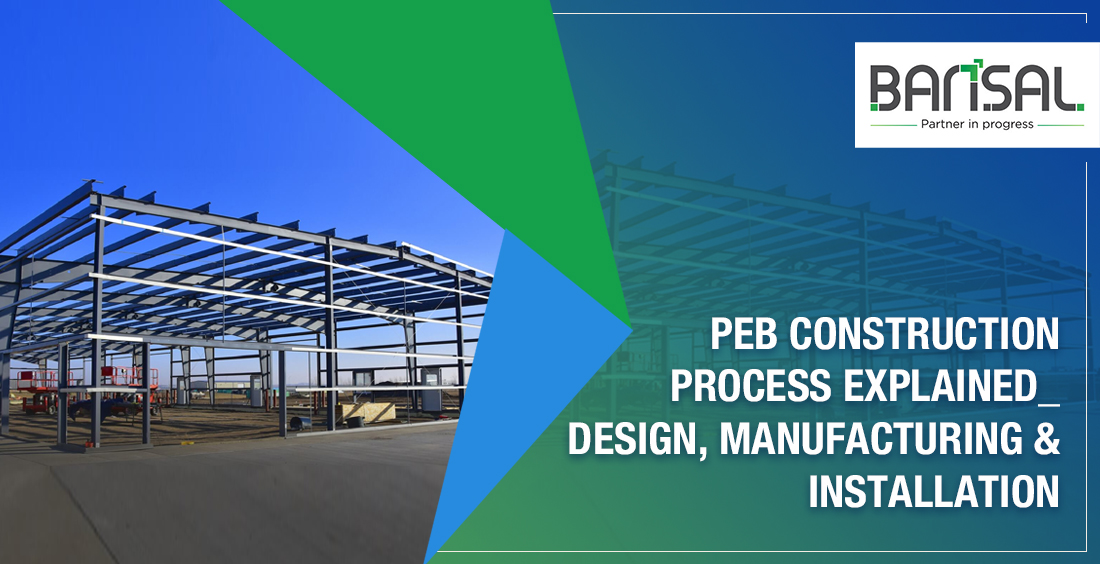
PEB Construction Process Explained: Design, Manufacturing & Installation
Posted on: Feb 18, 2026
What This Blog Covers
The PEB construction process follows a planned method to design, manufacture, and install steel buildings. This blog explains each stage of peb construction in simple words. You will learn how design, factory manufacturing, and peb installation work together. The article also shows how Bansal Poles Limited delivers strong and reliable pre engineered building construction solutions.
How a PEB Building Comes to Life
PEB construction is a smart way to build large structures. Many industries use it today. It saves time. It also reduces cost. In pre engineered building construction, teams plan everything early. As a result, site work moves faster. Errors also reduce.
Bansal Poles Limited follows a clear and proven peb construction process. This helps deliver strong buildings on time.
The Evolution of Modern PEB Construction
Modern peb construction has completely transformed industrial infrastructure development by shifting from traditional concrete layouts to highly resilient structural steel engineering. This advanced building technique utilizes computer-aided manufacturing to engineer structures that are highly durable, earthquake-resistant, and visually adaptable. By minimizing material waste and ensuring exceptional thermal efficiency, modern pre-engineered building frameworks provide commercial projects with an unmatched balance of longevity and cost-efficiency.
What Is PEB Construction?
PEB construction is a method where teams design and manufacture Prefabricated building parts in a factory. Later, they assemble these parts at the site.
Because of this approach, projects finish faster and with better accuracy.
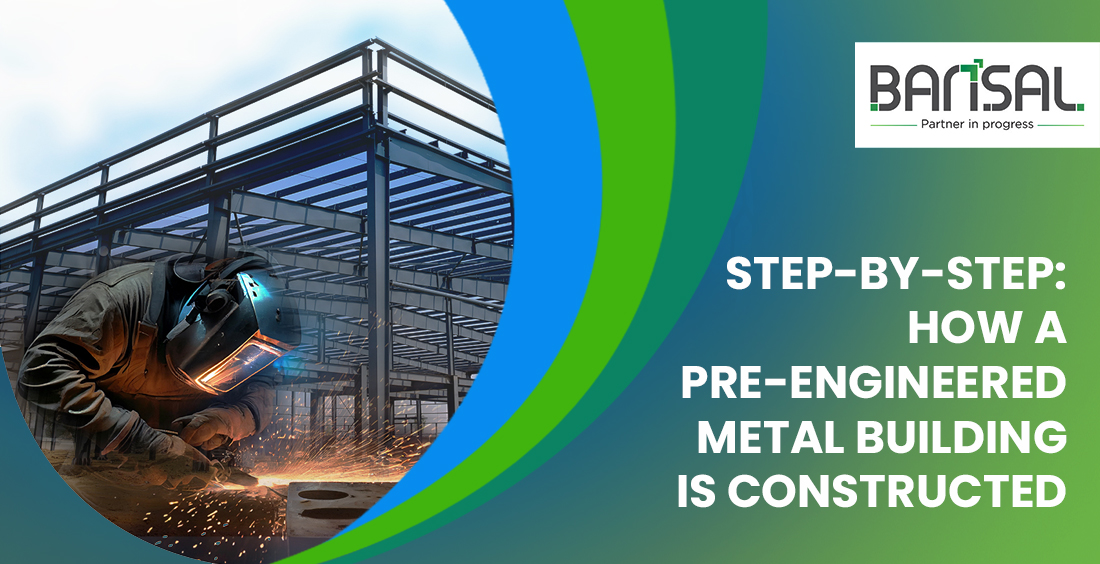
Step-by-Step PEB Construction Process
Step 1: Design and Engineering
First, engineers study the project need. They check building use, span, height, and location.
Next, they use advanced software to create the design. The goal is simple. Use less steel but keep high strength.
At Bansal Poles Limited, engineers customize every design. This helps match business and future expansion needs.
Step 2: Detailed Drawings
After design approval, the team prepares detailed drawings. These drawings show:
- Steel frames
- Purlins and girts
- Roof and wall layouts
Because everything is clear, manufacturing starts without confusion..
Step 3: Manufacturing of Steel Components
Now, manufacturing begins at the factory. The team cuts, welds, and shapes steel using machines. They also apply protective coatings to prevent corrosion.
Bansal Poles Limited manufactures all peb structure components under strict quality checks. As a result, each part fits perfectly at site.
Step 4: Transportation to Site
Next, the team ships the components to the site. They plan the dispatch order carefully. Because of this, erection becomes faster and smoother.
Step 5: Site Preparation
At the same time, site work begins. Workers level the land. They also cast foundations and place anchor bolts. This parallel work reduces the total project time.
Step 6: Structural Erection
Now, peb installation starts.
First, cranes lift columns and rafters into position. Then, workers connect them using bolts.
After that, secondary members are fixed. The structure soon becomes stable and ready for cladding.
Step 7: Roofing and Cladding
Next, the team installs roof and wall panels.They also add:
- Ventilators
- Skylights
- Doors and windows
These parts protect the building and improve airflow.
Step 8: Inspection and Handover
Finally, the team checks the building. They test alignment and tighten bolts. After approval, they hand over the project. Because the peb construction steps are planned, delays stay minimal.
The Roadmap to a Flawless PEB Construction Process
To achieve maximum structural integrity and rapid project execution on the field, a structured peb construction process must be followed with extreme precision across every single milestone. This end-to-end framework bridges the gap between digital architectural planning, heavy factory fabrication, and coordinated on-site assembly. When every single engineering phase—from high-strength column welding to the final panel cladding—is mapped out systematically, industrial projects significantly reduce overhead costs while bypassing common structural errors.
Why partnering with a certified PEB Construction Company Matters
Selecting an experienced and resourceful peb construction company is the most crucial step in turning a massive industrial blueprint into a functioning structural reality. A premier manufacturer brings heavy infrastructure capability, precise machining, and strict quality control protocols that independent contractors simply cannot offer. Partnering with a reliable vendor ensures that your high-grade structural components are built to handle rigorous seismic loads, changing weather conditions, and precise architectural specifications.
Bansal Poles Limited offers complete pre engineered building construction solutions. They manage:
- Design
- Manufacturing
- Installation
Because everything stays under one roof, coordination improves. As a result, clients get faster delivery and better quality.
Final Thoughts: Strong Steel, Smart Results
PEB construction offers speed and strength. When an experienced company handles the work, results improve. From design to peb installation, planning makes the difference. For long-lasting industrial buildings, PEB construction remains a smart choice.
Frequently Asked Questions
The peb construction process includes design, manufacturing of steel components, transportation, foundation work, structural erection, cladding, and final handover.
PEB construction usually takes 30–40% less time than traditional construction methods.
Yes. PEBs are designed to meet wind, seismic, and load safety standards.
Factories, warehouses, industrial sheds, logistics centers, and commercial buildings.
PEB components are bolted together at site using cranes, ensuring fast and secure installation.
Yes. PEB structures are designed for easy future expansion.
Yes. They provide design, manufacturing, and installation support under one roof.
Modern peb construction offers significantly faster project completion times, greater clear-span flexibility, and superior structural durability compared to conventional building styles. Because the core steel framework is engineered for lightweight strength, it lowers overall foundation expenses while remaining highly flexible for future structural adjustments.
When choosing a certified peb construction company, look for a manufacturer that provides end-to-end structural capabilities under one roof—covering customized raw design, precise factory production, and specialized field erection. A leading manufacturer must also possess certified automated fabrication lines, stringent raw-material testing, and a proven track record of handling high-volume B2B infrastructure projects.
A reliable peb construction process is divided into three main operational phases: meticulous digital design and engineering, advanced off-site factory fabrication of structural members, and sequential field installation using specialized heavy cranes and bolting techniques. This coordinated parallel workflow minimizes unexpected delays and guarantees precise structural alignment at the project location.


Comments (0)
Post Your Comment