
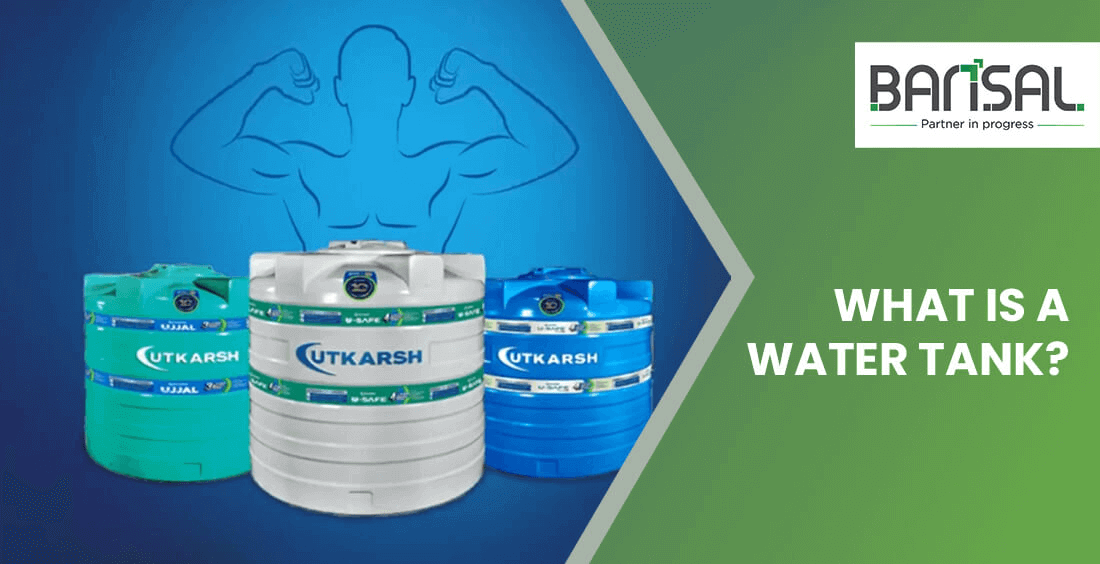
What is a Water Tank? A Guide to Choosing the Best Water Storage Tank in India
Posted on: Jun 11, 2025
Summary
A water tank or water storage system is essential for homes, farms, and industries. In addition, these
units provide reliability during shortages. This blog explains what a water storage
tank is. Furthermore, it covers why stored water matters and highlights
different storage options. It also details common uses and how to choose the
right solution.
Moreover, it explains how
experienced manufacturers ensure safety, durability, and long-term performance.
What Is a Water Tank?
A water tank or a storage tank is a container designed to hold water for
later use. Specifically, it helps maintain a steady supply of water when direct
access is limited. Water tanks are used for drinking, cleaning, and cooking. In
addition, they support irrigation and industrial needs.
In simple words, a water tank stores water safely and keeps it available
when needed. Therefore, it a critical part of modern living. A storage tank can
store rainwater, groundwater, or treated water. As a result, it helps manage
water shortages and improves water security.
Therefore, proper storage planning is important.
Why Is a Water Tank Important?
Water supply is not always predictable.
For example, pressure drops and maintenance shutdowns are common. Seasonal
shortages also affect availability. Therefore, stored water ensures
uninterrupted access.
In addition, it helps users plan
consumption better.
Key benefits include:
●
Storing water for daily use
●
Also, ensuring water availability
during emergencies
●
Supporting agriculture and
industrial operations
●
Furthermore, maintaining hygiene
and sanitation
Consequently, water management becomes
difficult without a proper water tank.
Types of Water Storage Systems
Different storage solutions serve
different needs. Specifically, they vary based on material, capacity, and
usage.
1. Plastic Storage Tanks: Plastic tanks are widely
used in homes.
Key features:
●
Lightweight and easy to install
●
Rust-free and corrosion-resistant
●
Made from food-grade material
They are ideal for residential buildings
and apartments.
2. Concrete Storage Tanks: Concrete tanks are known
for their strength.
Key features:
●
Suitable for underground storage
●
High durability
●
Long lifespan
They are commonly used in large buildings
and industrial facilities.
3. Steel Storage Tanks: Steel tanks are used for
heavy-duty applications.
Key features:
●
High load-bearing capacity
●
Ideal for industrial and
commercial use
●
Requires proper coating to prevent
corrosion
4. Bladder Storage Tanks: Bladder tanks are
flexible and portable.
Key features:
●
Easy to transport
●
Used in remote areas
●
Suitable for temporary storage
Common Uses of Water Storage Tanks in India:
A tank of water serves multiple
purposes across sectors.
Domestic Use
●
Used for drinking purposes.
●
Supports cooking needs.
●
Used for washing and cleaning.
●
Supports bathroom usage.
●
Ensures hygiene and sanitation.
Agricultural Use
●
Stored water supports irrigation
systems.
●
Helps water crops regularly.
●
Provides water for livestock.
●
Supports rainwater harvesting.
●
Improves water efficiency.
●
Reduces dependency on rainfall.
Industrial Use
●
Industries use stored water for
processing.
●
It supports cooling systems.
●
It supports equipment operations.
●
Fire safety systems depend on
storage.
●
Production continuity relies on
availability.
Emergency Use
● Stored water is critical during
disasters.
●
Supports firefighting operations.
●
Supports relief activities.
●
Ensures continuity when supply
fails.
What Makes a Good Storage Tank?
Not all storage systems offer the same
quality. Specifically, quality depends on design, material, and manufacturing
standards.
A good
water tank should be:
●
Food-grade and safe
●
In addition, it should be UV-resistant
●
Leak-proof
●
Strong and durable
●
Easy to maintain
Role of Water Tank Manufacturers
Water tank
manufacturers
play a vital role in water safety. Specifically, they
ensure that tanks meet quality and hygiene standards.
Trusted manufacturers:
●
Use high-quality raw materials
●
Follow ISI and safety certifications
●
Ensure long-term durability
●
Provide after-sales support
Therefore,
choosing the right manufacturer is as important as choosing the tank itself.
How to Choose the Right Storage Option
Selecting the right water tank depends on
your needs. Consequently, here are key factors to consider.
1. Capacity: Calculate
daily water usage. Then, choose a size that meets your household or industrial
demand.
2. Material:
●
Plastic for homes
●
Steel or concrete for industrial
use
3. Installation Location: Decide if the tank will be:
●
Overhead
●
Underground
●
Outdoor or indoor
4. Certifications: Always check for:
●
ISI mark
●
Food-grade certification
5. Maintenance and Service: Choose brands that offer:
●
Easy installation
●
Reliable maintenance support
Why Quality Matters in Water Storage
Poor-quality storage solutions can
contaminate water. As a result, this leads to health risks.
High-quality storage systems:
●
Prevent algae growth
●
Protect water from heat
●
Maintain water purity
Because
of this, reliable manufacturers are essential.
Why Invest in a Trusted Storage Brand
A water
tank is a long-term investment. However,
low-quality tanks may crack, leak, or affect water quality.
Top manufacturers focus on:
●
Advanced manufacturing technology
●
Strict quality checks
●
Durable designs
Consequently, this ensures peace of mind and safe water storage.
While the basic concept answers what is a water tank, the modern engineering behind these systems involves sophisticated structural design. High-quality water tanks are built with distinct, functional layers, including an outer UV-stabilized layer to shield against intense solar radiation and an insulated middle layer to maintain stable water temperatures. The addition of robust external ribs prevents the body from bulging or cracking under immense hydraulic pressure, ensuring that the physical structure remains stable and leak-proof over decades of heavy, continuous use.
Evaluating Standards for the Best Quality of Water Tank in India
Investing in the best quality of water tank in India requires looking closely at food safety certifications and materials suited for the Indian climate. Premium water tanks must be manufactured using 100% virgin, food-grade materials to eliminate the risk of harmful chemicals or toxins leaching into your drinking supply. Furthermore, an effective anti-bacterial inner layer is essential to actively prevent algae growth and bacterial buildup, ensuring the water stays pure, clear, and perfectly safe for domestic, commercial, or agricultural applications.
Why Investing in the Best Water Storage Tank in India Matters
When looking to safeguard your property's water supply against intense climate conditions, choosing a generic option is never enough. To ensure long-term durability, thermal insulation, and strict hygiene standards, it is essential to look for features like food-grade materials, multi-layer UV stabilization, and robust structural engineering. Investing in a premium product from a trusted manufacturer ensures you are getting the best water storage tank in India, providing an uncompromised lifetime of safety and structural reliability for both residential and commercial projects.
Final Thoughts
A water
tank is more than just a storage container. Actually,
it is a vital part of water management.
From homes to industries, storage tanks
ensure a continuous supply and safety. Therefore, choosing reliable
manufacturers ensures long-term performance and clean water.
Invest
wisely. Choose quality. Protect your water.
Frequently Asked Questions
It is used to store water for domestic,
agricultural, industrial, and emergency purposes.
Plastic tanks are best for homes. Steel
and concrete tanks are suitable for industrial use.
Check daily water usage, space
availability, and material quality.
They ensure safety, durability, and
hygiene standards are maintained.
A high-quality water tank can last 15–25
years with proper care.
While the fundamental answer to what is a water tank focuses on basic liquid storage, its role in modern industrial and commercial setups extends to maintaining structural water pressure, ensuring strict contamination control, and providing critical emergency backups. High-quality tanks are engineered with multi-layer food-grade materials to keep large volumes of water safe from harmful microbial growth and extreme weather.
To find the best water storage tank in India, look for key engineering certifications such as FDA-approved food-grade materials, multi-layer UV stabilization to withstand harsh tropical summers, and advanced structural ribs for high impact resistance. Excellent thermal insulation is also crucial to ensure water temperatures remain stable throughout the changing seasons.
Sourcing directly from certified water tank manufacturers ensures complete quality assurance, access to customized capacities, and authentic structural warranties. Reputable manufacturers employ precise engineering standards and strict quality control measures to deliver long-term durability and superior structural integrity that generic, third-party distributors simply cannot replicate.


Comments (0)
Post Your Comment