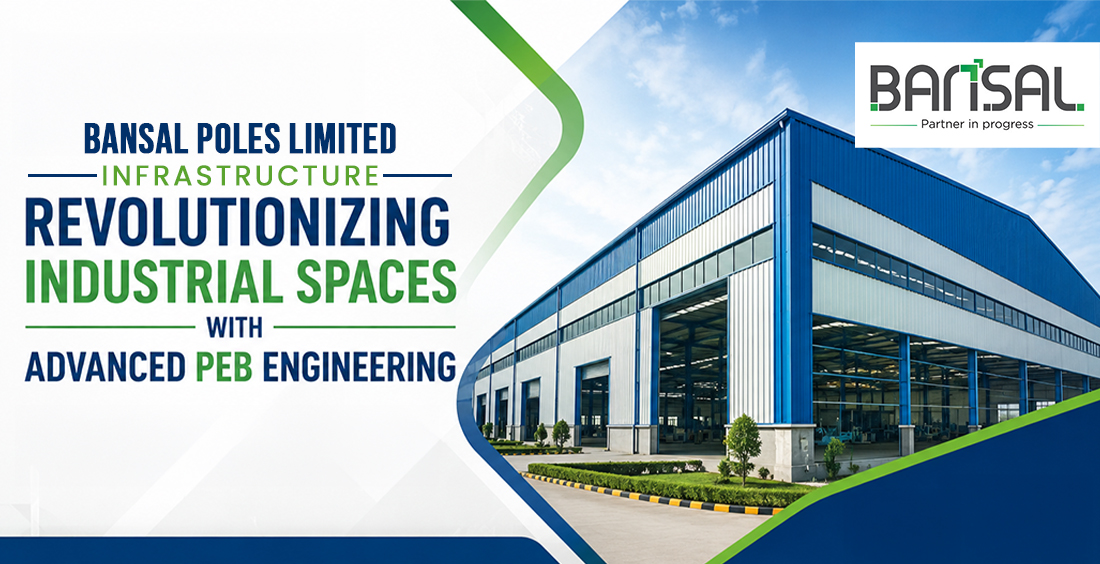
Why the Top 10 Water Tank Brands in India are Switching to Anti-Microbial Technology in 2026
The definition of a "safe home" is undergoing a massive shift in 2026. For decades, the water tank on the roof was an afterthought - a simple plastic container meant to hold liquid. However, as health awareness peaks, the industry is witnessing a hygiene revolution. Today, the best water tank in India is no longer judged just by its storage capacity, but by its ability to act as a bio-secure shield for your family.
When you look at the top 10 water tank brands in India, you'll notice a common trend: a universal pivot toward integrated anti-microbial technology. This isn't just a marketing buzzword; it’s a necessary response to the rising challenges of waterborne pathogens and algae growth in tropical climates. As we navigate this year, understanding why elite brands like Bansal Poles are leading this charge is essential for every homeowner and project manager.

Basnal Poles: A 40-Year Legacy of Engineering the Structures and Water Storage Solutions of Tomorrow
There are companies, and then there are institutions. Bansal Poles Limited belongs firmly in the second category. For over four decades, this ISO 9001:2015 certified name has quietly shaped the skyline of Indian industry - from sprawling warehouses in manufacturing belts to water storage systems trusted by millions of households. What does 40 years of experience really mean in construction and infrastructure? It means tested processes, refined engineering, and a track record that no brochure can replicate.
Today, as a leading PEB company and trusted water tank supplier, Bansal Poles Limited stands at the intersection of legacy and innovation - where four decades of hands-on fabrication experience fuels solutions built for tomorrow’s demands.
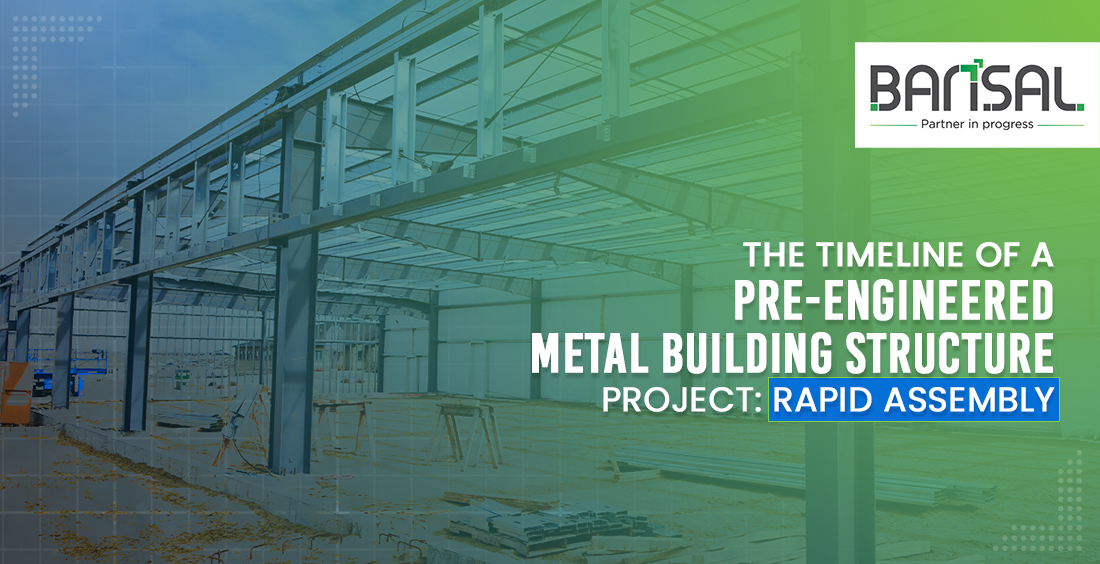
The Timeline of a Pre-Engineered Metal Building Structure Project: Rapid Assembly
When a factory needs to be operational in four months, or a warehouse has to be ready before the monsoon, time is not just money - it's everything. That's exactly where a pre-engineered metal building structure steps in and changes the game entirely.
Unlike conventional construction, where delays are almost expected, PEB projects run on tight, predictable schedules. The reason? Almost everything - from the steel columns to the roof panels - is engineered and fabricated off-site before a single bolt is tightened at your location. The result is a building that goes up faster, costs less to assemble, and performs reliably for decades.
Let's walk through the actual project timeline of a pre-engineered metal building structure - from the drawing board to the day you get the keys.
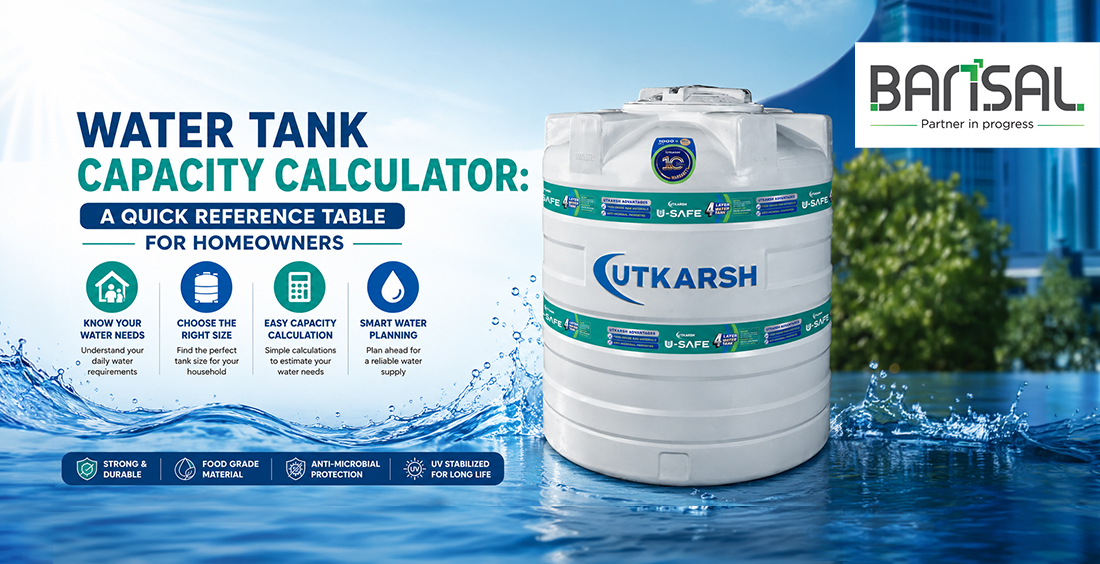
Water Tank Capacity Calculator: A Quick Reference Table for Homeowners
Choosing a water tank for home use always feels like a bit of a guessing game. Most homeowners walk into a store and blindly pick a massive tank that wastes valuable roof space, or they end up with a small one that runs completely dry during the morning shower rush.
There is a very common myth in Indian households that "bigger is always better" when it comes to water storage. Let’s debunk that right now. Opting for an oversized tank doesn't mean you are being extra prepared; it usually means you are creating a home for stagnant water. In our tropical climate, standing water quickly turns into a major breeding ground for dangerous bacteria, fungus, and algae. Storing the right amount of water is just as critical as choosing the best quality of water tank to safeguard your family’s daily health.
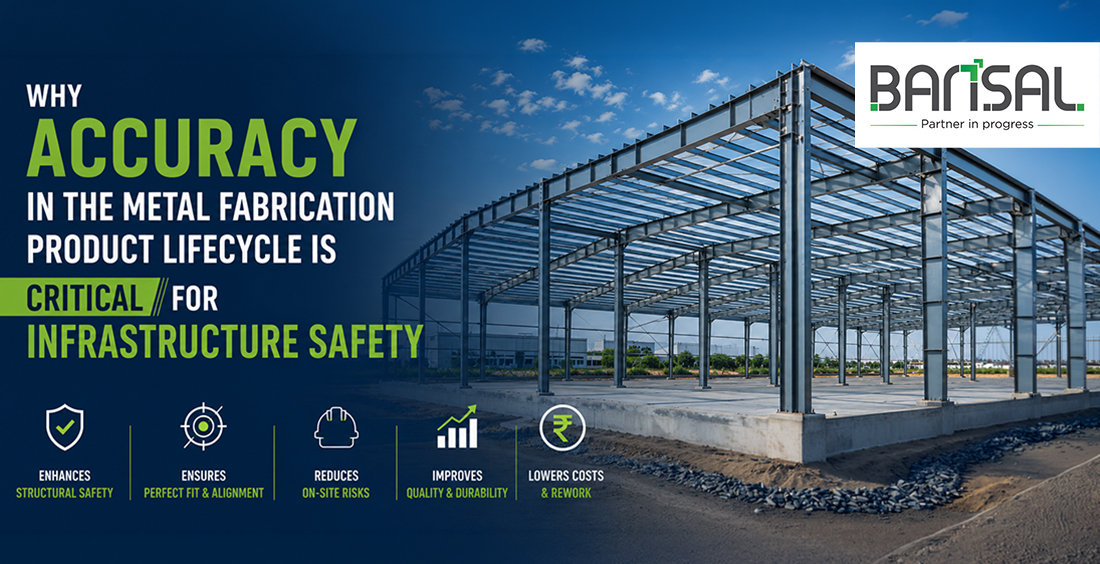
Why Accuracy in the Metal Fabrication Product Lifecycle is Critical for Infrastructure Safety
When we look at massive industrial setups, utility grids, or public transit systems, it is easy to focus on the sheer scale of the engineering. But if you talk to any structural engineer with boots on the ground, they will tell you that the survival of these massive structures depends entirely on things you can barely see with the naked eye. In high-stakes B2B infrastructure, the margin for error isn't slim - it is effectively zero.
A single metal fabrication product, whether it is a high-load heavy duty bracket or a structural column, acts as a crucial link in a very large safety chain. When a manufacturer cuts corners or allows tiny dimensional deviations during fabrication, they aren't just delivering a slightly imperfect component; they are embedding a ticking time bomb directly into public infrastructure. A discrepancy as tiny as a couple of millimeters might seem harmless on a factory floor, but when you subject that part to cyclical stress, gale-force wind loads, or thousands of tons of hydraulic pressure, that minor flaw quickly scales into a catastrophic failure.