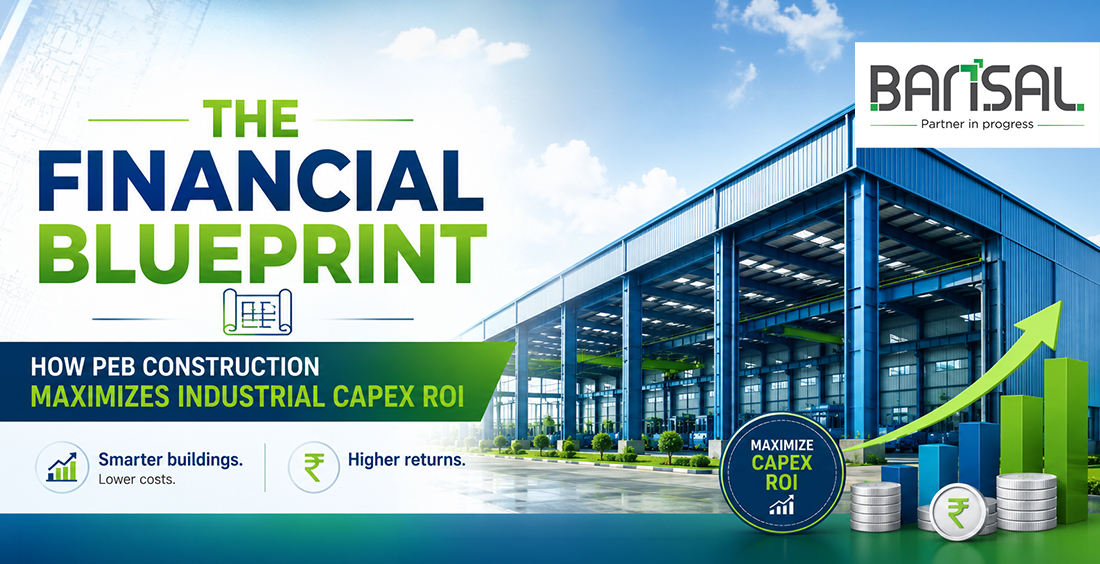
The Financial Blueprint: How PEB Construction Maximizes Industrial CapEx ROI
Managing Capital Expenditure (CapEx) in today's industrial market is a tightrope walk. Conventional civil builds are notoriously unpredictable, frequently exposing developers to swinging material prices, shifting labor availability, and costly weather delays. When millions are on the line, relying on traditional brick-and-mortar or cast-in-situ concrete can quickly eat into your projected ROI.
This financial risk is why modern project heads are pivoting away from standard concrete. Moving to factory-engineered PEB Construction offers a predictable, financially streamlined alternative. By shifting heavy work from chaotic sites to controlled factory floors, pre-engineered setups give developers total control over their budgets right from day one.
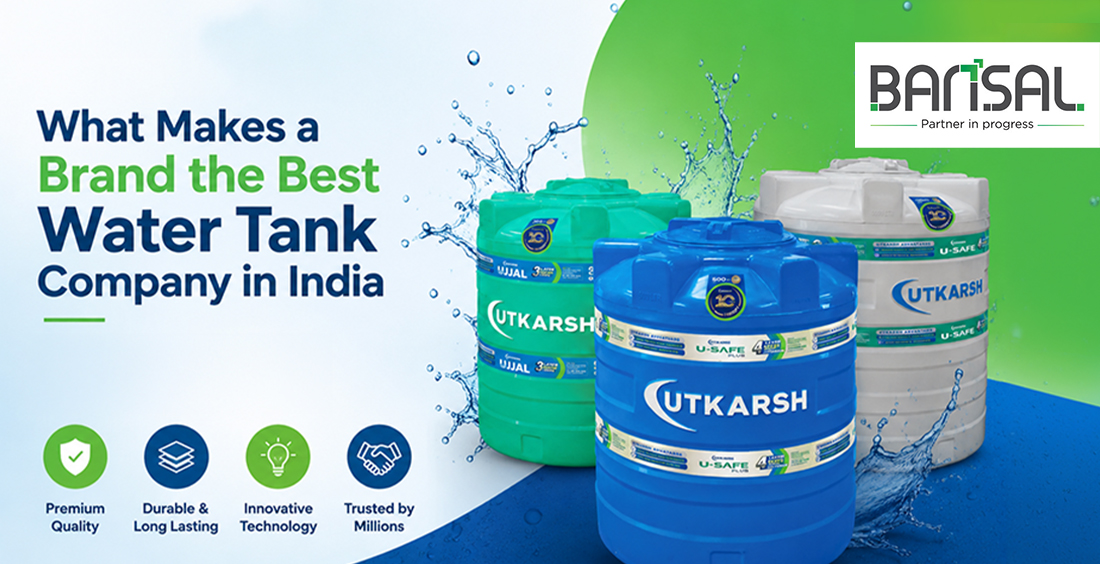
What Makes a Brand the Best Water Tank Company in India? The Ultimate Buyer’s Guide
What is a Water Tank, and Why is Modern Plastic Engineering Redefining It?
Ask most people, "what is a water tank?" and they'll say it's just a big barrel sitting on the roof to hold your water supply. Honestly, that used to be accurate enough. But recent advances in polymer processing have radically changed how these containers hold up under brutal heat and rain.
Older plastic tanks relied on thin, single-layer setups that gave out quickly under the sun. After a summer or two, the material would turn brittle, fracture around the base, and start releasing chemical micro-particles right into household water.
Modern rotational molding (Roto-Moulding) fixes this completely. By casting Linear Low-Density Polyethylene (LLDPE) without high pressure, the plastic forms a single, seamless shell with even wall thickness throughout. This structural balance gets rid of hidden stress joints, keeping your tank tough and leak-free for decades.

The Complete First-Time Buyer’s Checklist Before Purchasing a Water Storage Tank
Summary
Buying a water storage tank may seem straightforward until you start comparing materials, layers, capacities and manufacturers. A tank is not simply a container for water. Its material, construction, placement and durability can directly affect water quality and the overall reliability of your water storage system.
If you are buying one for the first time, this guide can help you make a practical choice without getting lost in technical jargon.

What to Look for in Top Pre-Engineered Building Manufacturers in India Before Signing a Contract
Summary:
For a warehouse, factory, logistics hub, or industrial facility, choosing the right PEB partner involves more than comparing the quoted price. The manufacturer you select can influence structural safety, project timelines, maintenance, and long-term value.
Before signing a contract, B2B buyers should assess raw material sourcing, engineering practices, factory capabilities, corrosion protection, and project execution experience. A reliable Pre-Engineered Building Manufacturers in India should be able to explain these areas clearly and support key claims with technical documents.

Anatomy of a PEB Structure: Components, Types & Design Basics
What is PEB Structure and How Has It Revolutionized Construction?
A Pre-Engineered Building (PEB) is a steel building system in which structural components are designed and fabricated in a controlled factory environment and then assembled at the project site. Unlike conventional construction, much of the structural fabrication happens off-site, while site work focuses on foundations, erection and finishing.
This approach has changed industrial construction. Warehouses, factories, workshops and commercial buildings use PEB systems when speed, open floor space and structural efficiency matter.